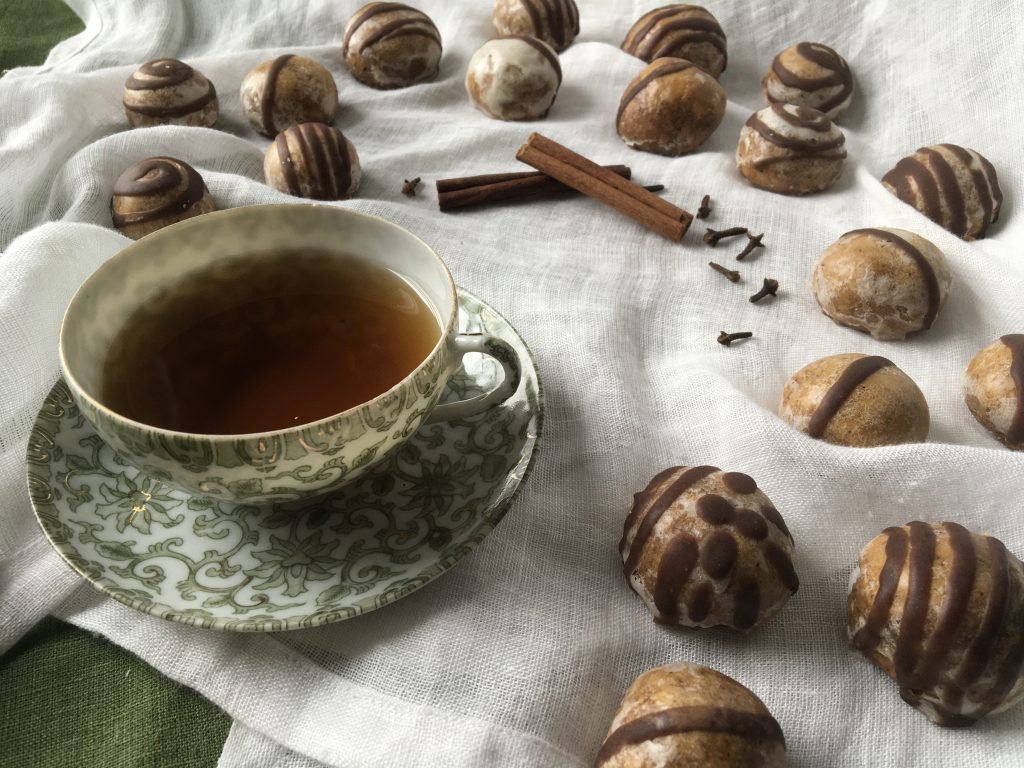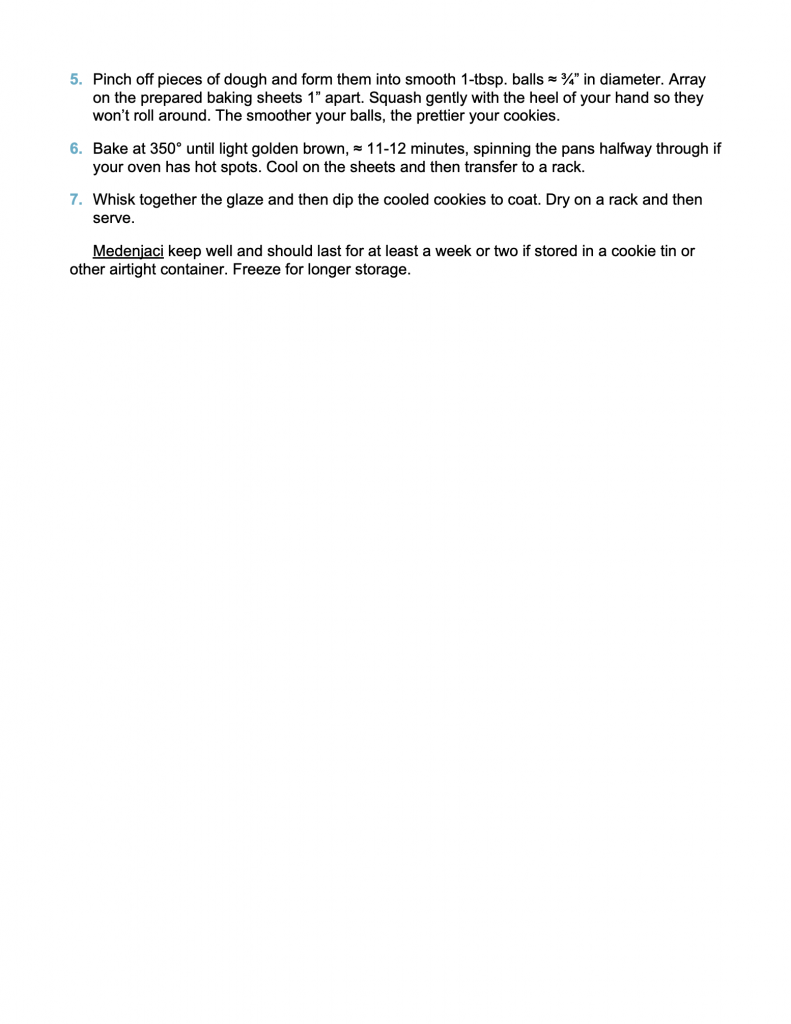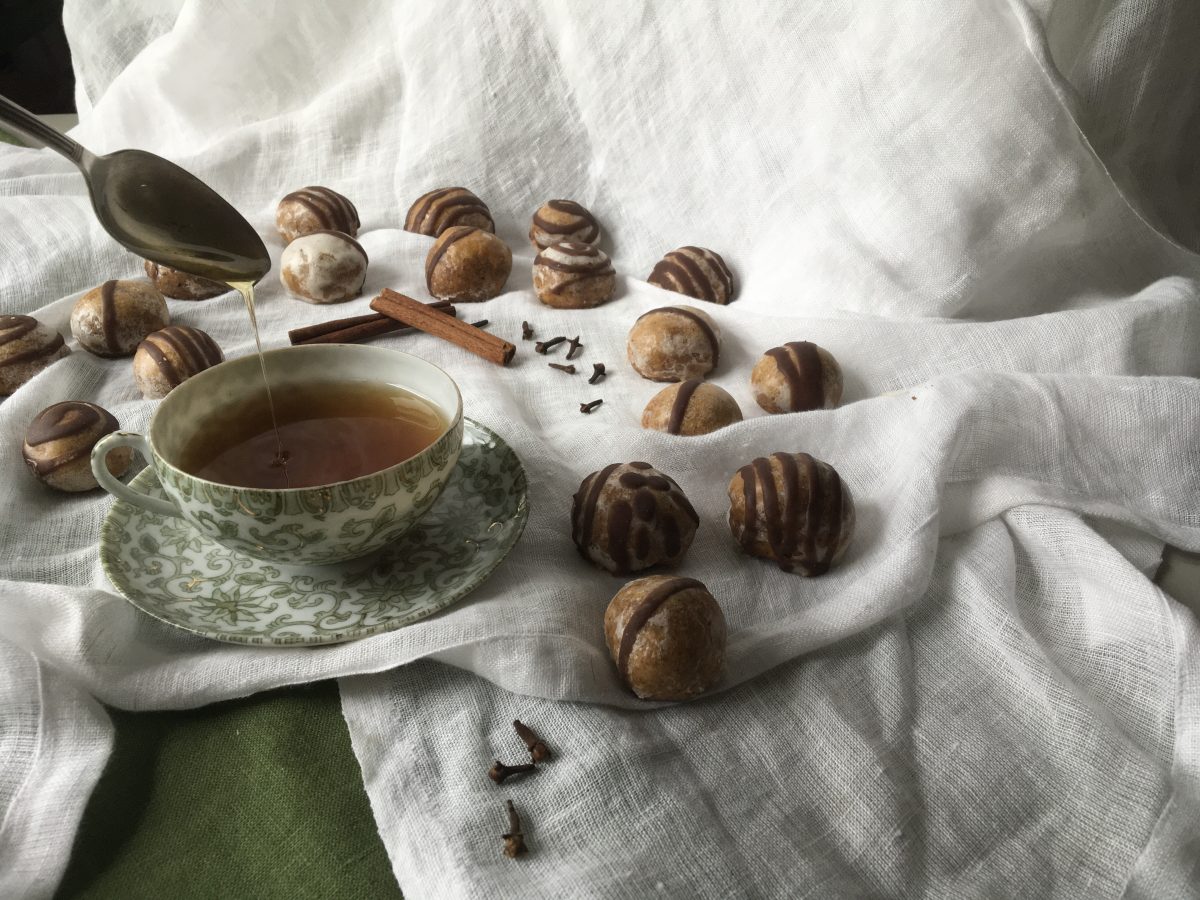
As always, you can skip to the bottom if you’re only here for the recipe.
I began this recipe looking at the Baltic version, and finally realized that Honey Gingerbread a/k/a Honeycakes are a category unto themselves. They’re particularly common in the Slavic nations of Europe’s center (bottom to top) and east. I’ve seen so many other versions from the Czechs, Poles, Russians (and all the ethnic subgroups), the Baltic States, Ukraine, etc… Might the the talented Southern Slav bakers have something really unique?
I pinned those hopes on the simple lack of spice. All those beautiful and famous Honeycakes from the Slavic nations to the north? Czech Pardubice Gingerbread, Polish Pierniczki, etc.? They’re all variations on a basic formula that differ mostly with the use of some subtle and sophisticated spice blend developed by that particular region. Balkan bakers vary their Medenjaci by playing with the structural part of the cookie – particularly when it comes to the use of eggs.
So was it really different? Sort of… but not in some fundamental way. Leaving out the spices works. It yields a relatively pure, easy to access flavor that’s worth the experience. And adding extra egg yolks plays with texture in a radical way that’s almost a revelation. We fully intend to play with it over the next many years. But what you really have here is an expansion kit to the mix-and-match options that all those other recipes have in common too.
In other words, this is an article about pure, baker’s geekery. Read on and you’ll learn how to seize control of that traditional recipe from your Baba, and convert it like a chemist into exactly what you want.
As always, skip to the bottom if all you’re after is the recipe.
The Basic Honeycake Formula
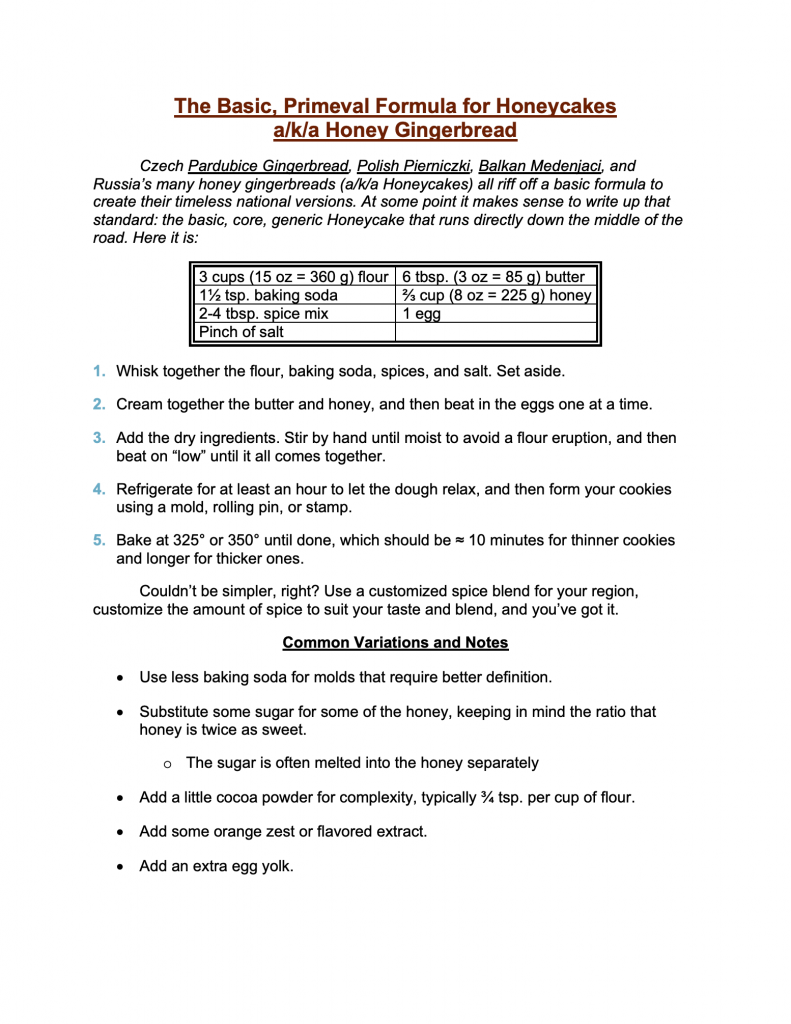
Every one of those famous cookies uses one or more of those variations, so they really do come out as distinct individuals, but the family kinship is there.
Medenjaci differ in two ways. First, they tend to use a much simpler spice mix, and less of it. Two tablespoons in a 3-cup recipe would be a lot, and it is rare to include more than a healthy dose of cinnamon with a touch of ginger, nutmeg, mace, or clove. I suppose you could argue that they tend to be heavier on the citrus too.
The bigger difference is in the eggs. Our recipe adds four(!) egg yolks to the one whole egg, and we aren’t the only ones. Scott compiled the following table of online recipes to provide some idea of both the variations and the consistency.
| Flour | Butter | Leavener | Sweetener | Spices | Eggs |
| 5⅔ cup (805 g) mix of AP, Cake & Whole | 1 cup | 1 tsp. soda | 255 g honey 285 g brown | 2 tsp. cinnamon ½ tsp. ginger ½ tsp. clove ½ tsp. nutmeg | 3 whole 1 yolk |
| 5¼ cup (750 g) mix of AP, Cake & Whole | 1 cup | 1 tsp. soda | 250 g honey 180 g brown | 2 tsp. cinnamon ½ tsp. ginger ½ tsp. clove ½ tsp. nutmeg | 3 whole |
| 4¼ cup (600 g) | ¾ cup | 1 tbsp. soda | 200 g honey 200 g sugar | 6 tsp. cinnamon 3 tsp. vanilla | 2 whole |
| 3 cups (425 g) | ½ cup | 1 tsp. soda | 170 g honey 70 g brown | 1 tsp. cinnamon ½ tsp. ginger ½ tsp. nutmeg ¼ tsp. clove | 2 whole 1 yolk |
| 3 cups (425 g) | ½ cup | 1 tsp. soda | 170 g honey 100 g brown | 1 tsp. cinnamon ½ tsp. ginger ½ tsp. nutmeg ¼ tsp. clove | 2 whole |
| 3 cups (425 g) | ½ cup | Pinch soda | 225 g honey 100 g sugar | 2 tsp. cinnamon 1 tsp. ginger ¼ tsp. cloves ¼ tsp. nutmeg 1 tsp. vanilla | 1 whole |
| 2¾ cups (390 g) | None | None | 255 g honey 200 g sugar | 1 tsp. cinnamon ½ tsp. clove | 4 whole |
| OUR VERSION | |||||
| 3½ cups (500 g) | ¼ cup | 1 tsp. soda 1 tsp. powder | 255 g honey 0-100 g sugar | 2½ tsp. cinnamon 1 tsp. ginger ½ tsp. clove ½ tsp. nutmeg Extra as an option | 1 whole 4 yolks |
Our Version of Medenjaci
Let’s be honest for a moment: we’ve been doing this for a long time, and have a lot of Honeycake (a/k/a honey gingerbread) recipes. All this research said two things: Medenjaci were pretty middle-of-the-road from a flavor point of view, but some of the recipes used extra eggs to create really unique textures. That led in turn to two options: we could “fix” the spices to make something more appealing to our (admittedly) Northern palates, or we could embrace the egg-centric approach and see how far it could go.
We went with the latter. So let it be said up front. Our version of Medenjaci is dead-on true to what you’d find in Belgrade, Zagreb, or Sarajevo from the flavor point of view, and on the cakier side from the textural perspective.
The result is a cookie that comes off as a light, honey-centric gingerbread with a rounded flavor and a chewy, meaty texture like nothing else in our repertoire. Easy to like, hard to hate, and really entertaining if you happen to be a baking nerd.
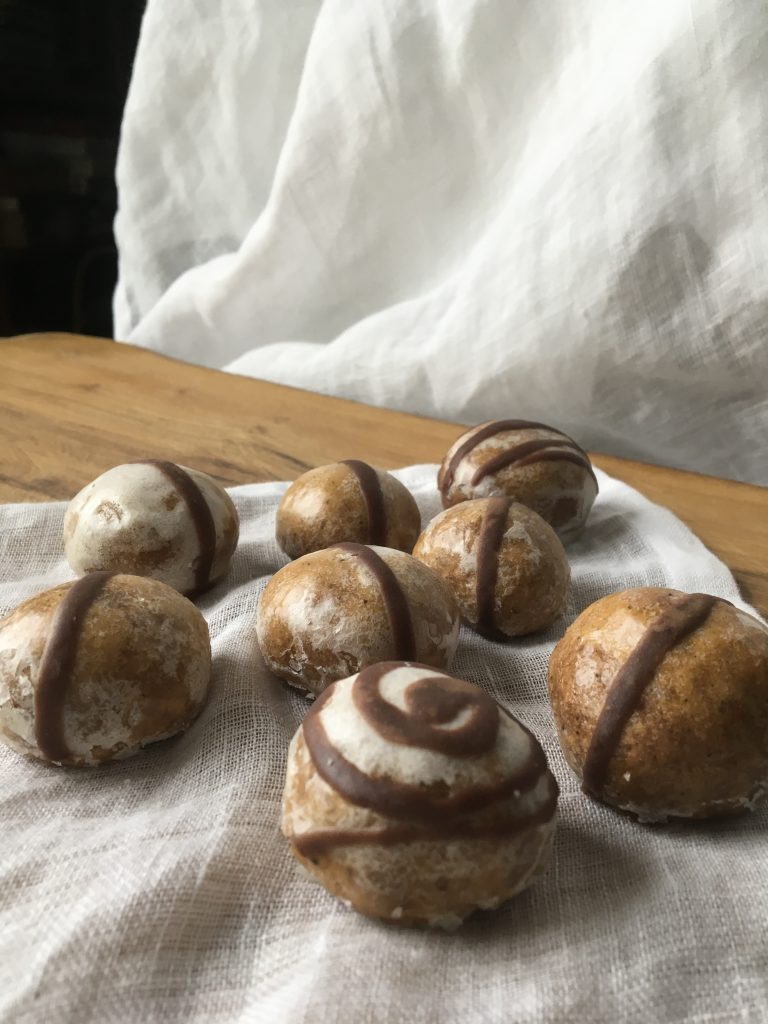
A Final Note: Looks Can Be Deceiving
Yes, the photos look like Pfeffernusse, the famous Dutch/German cookie. And yes, Pfeffernusse are a honey-spice cookie. But that is where the similarities end. A good half the bulk of Pfeffernusse comes from almond or hazelnut meal, which is often combined with chopped softer nuts such as walnuts or pecans. They also have a bare minimum of leavening (¼ tsp. of baking soda), and are bound by two whole eggs. That combines to give them a nut-cake texture, and often a crispy one because many people prefer to add a few minutes to the baking time. Medenjaci? No nuts at all, just flour; half the amount of butter; and much more in the way of leavening and eggs. They may look alike, but no one would ever confuse the two after even a single bite.